Buy buecherx.eu ?
We are moving the project
buecherx.eu .
Are you interested in purchasing the domain
buecherx.eu ?
domain@kv-gmbh.de · 0541-91531010
Buy buecherx.eu ?
What is the Calvin-Benson cycle?
The Calvin-Benson cycle, also known as the Calvin cycle, is the set of chemical reactions that take place in the chloroplasts of plants during photosynthesis. It is the process by which carbon dioxide from the atmosphere is converted into glucose, a form of stored energy. The cycle involves a series of enzyme-catalyzed reactions that ultimately produce sugars that can be used by the plant for growth and energy. The Calvin-Benson cycle is essential for the survival of plants and plays a crucial role in the global carbon cycle. **
What is the Calvin cycle in biology?
The Calvin cycle is a series of chemical reactions that take place in the chloroplasts of plants during photosynthesis. It is the second stage of photosynthesis and involves the conversion of carbon dioxide into glucose. The cycle is named after Melvin Calvin, who discovered the process in the 1950s. The Calvin cycle is essential for plants to produce energy and store it in the form of glucose for growth and development. **


Similar search terms for Calvin cycle
Top-Angebote
Products related to Calvin cycle:
-
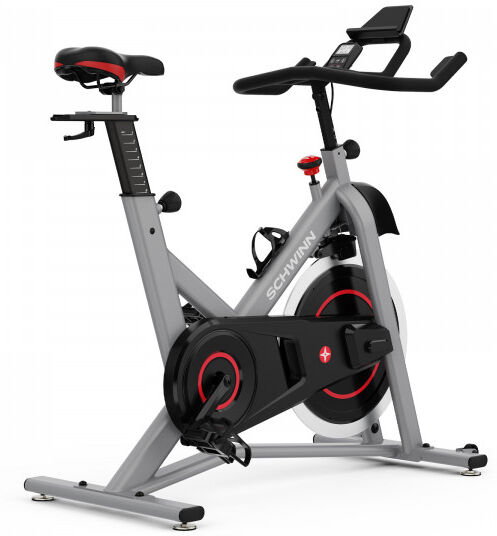
Schwinn IC3.5 Indoor CycleRide Your Way The Schwinn IC3.5 turns your own smartphone or tablet into the centre of your ride. Connect to JRNY, Peloton, Zwift or Kinomap, then choose from studio classes, scenic routes and guided workouts.Choose from 100 electronic resistance levels and change the intensity with the touch of...649,00 £*Shipping: 0,00 £Secure redirect to the provider
-
BodyMax SC30 Indoor CycleENTER THE FAST LANE Entry-level bikes don't get much better than the BodyMax SC30 Indoor Cycle, the perfect choice for studio cyclists looking to bring the class to the home. Designed for home use, the SC30 is packed with useful features to get the most out of your ride. The SC30 has fully...179,10 £*Shipping: 0,00 £Secure redirect to the provider
-
BodyMax SC50 Indoor CycleIntroducing the BodyMax SC50 Over three years in development to produce an affordable, high-quality indoor cycle went into the creation of the BodyMax SC50. The new elegant look of the SC50 is backed up by premium features such as a 12kg flywheel with smooth magnetic resistance, 32 resistance...404,10 £*Shipping: 0,00 £Secure redirect to the provider
-
Horizon 5.0IC Indoor CycleThe Horizon 5.0IC Indoor Cycle delivers a comfortable and smooth ride for both beginners and intermediate cyclists. Bluetooth FTMS easily connects to popular fitness apps like Zwift, Peloton, and Kinomap for an immersive workout experience. The bike’s 100 levels of digital resistance, magnetic...599,00 £*Shipping: 0,00 £Secure redirect to the provider


-
Where does the energy for the Calvin cycle come from?
The energy for the Calvin cycle comes from ATP and NADPH, which are produced during the light-dependent reactions of photosynthesis. **
-
What experiments are there on photosynthesis in the Calvin cycle?
There are several experiments that have been conducted on photosynthesis in the Calvin cycle. Some of these experiments involve measuring the rate of carbon dioxide uptake and oxygen release by plants under different light intensities or wavelengths. Other experiments focus on the role of specific enzymes, such as RuBisCO, in the Calvin cycle. Additionally, researchers have studied the effects of various environmental factors, such as temperature and water availability, on the efficiency of the Calvin cycle. **
-
How does the Calvin cycle work in the removal of CO2?
The Calvin cycle is a series of biochemical reactions that take place in the stroma of chloroplasts. During this cycle, carbon dioxide is taken up from the atmosphere and converted into organic molecules, specifically glucose. The enzyme RuBisCO catalyzes the fixation of carbon dioxide to ribulose-1,5-bisphosphate (RuBP) to form 3-phosphoglycerate. This molecule is then further processed through a series of reactions to produce glucose and regenerate RuBP, allowing the cycle to continue removing carbon dioxide from the atmosphere. **
-
Can someone explain the scheme of the Calvin cycle to me?
The Calvin cycle is the series of chemical reactions that take place in the chloroplasts of plants during photosynthesis. It is the process by which carbon dioxide is converted into glucose, the primary source of energy for plants. The cycle consists of three main stages: carbon fixation, reduction, and regeneration of the starting molecule. In the carbon fixation stage, carbon dioxide is combined with a five-carbon sugar molecule to form a six-carbon compound, which is then broken down into two molecules of a three-carbon compound in the reduction stage. Finally, in the regeneration stage, the three-carbon compound is used to regenerate the five-carbon sugar molecule, allowing the cycle to continue. Overall, the Calvin cycle is essential for the production of organic compounds and the sustenance of plant life. **


What is the Calvin cycle and how does it function in photosynthesis?
The Calvin cycle is the second stage of photosynthesis, occurring in the stroma of the chloroplasts. It is a series of biochemical reactions that convert carbon dioxide and other compounds into glucose, the energy-rich molecule that plants use as food. The cycle is divided into three main stages: carbon fixation, reduction, and regeneration of the starting molecule. In the carbon fixation stage, carbon dioxide is combined with a 5-carbon compound to form a 6-carbon molecule, which is then broken down into two 3-carbon molecules in the reduction stage. These 3-carbon molecules are then used to regenerate the starting molecule in the regeneration stage, allowing the cycle to continue. Overall, the Calvin cycle plays a crucial role in producing organic molecules from inorganic carbon dioxide, providing the energy and building blocks necessary for plant growth and development. **
Can you give me information about photosynthesis, especially about the Calvin cycle and the light reaction?
Photosynthesis is the process by which green plants and some other organisms use sunlight to synthesize foods with the help of chlorophyll. The process of photosynthesis can be divided into two main stages: the light reaction and the Calvin cycle. During the light reaction, light energy is absorbed by chlorophyll and used to convert water into oxygen and high-energy molecules such as ATP and NADPH. These high-energy molecules are then used in the Calvin cycle, which is the second stage of photosynthesis. In the Calvin cycle, carbon dioxide is used to produce glucose and other organic compounds, with the help of the ATP and NADPH produced during the light reaction. This process is essential for the survival of plants and is also responsible for producing the oxygen we breathe. **
Top-Angebote
Products related to Calvin cycle:
-
Various Joblot Wholesale of 20 Non-Fiction Books Collection Set Self-Help, Health, Biography, Cooking, Business, Craft, Hobbies and morePlease Note: £12.99 delivery charge applies to all Joblot and Bulk Buy orders. Joblot Wholesale of 20 Non-Fiction Books Collection Set Self-Help, Health, Biography, Cooking, Business, Craft, Hobbies, Travels, Finance and more. We are one of the biggest on-line retailers in the UK - with thousands of books in stock, sometimes we get clearance lines and end of lines that we need to shift from our warehouse, this box will contain 20 books which will be brand new (may have some shelve ware or dust on them) 20 Non-Fiction books Chosen randomly Brand new books Best seller and popular authors books Collection of reading, learning and educational material Parcel will be delivered by Courier Related Tags: Usborne, Usbourne NOTE: THESE ARE RANDOMLY PICKED AND MAY HAVE DUPLICATE TITLES NOTE: NOT SUITABLE FOR SCHOOL27,00 £*Shipping: 2,99 £Secure redirect to the provider
-
HQ In the FLO by Alisa Vitti: Work with your menstrual cycle and not against it using this life-changing self-help guide to cycle syncing - new in paperbFrom the bestselling author of WomanCode comes a life-changing biohacking program for women's health and well-being--Use your natural 28-day cycle to optimize your productivity, fitness, wellness, relationships, and longevity Women have an important biological rhythm they experience every month that affects cognitive function, weight, sex drive, energy, and mood. It is essential to be aware of and take care of this rhythm, but it has been widely ignored by medical, nutrition and fitness research. So as women, we diet, we deprive, and we cram as much as possible into our day, striving to accomplish impossible to-do lists, and scheduling our lives based on a 24-hour time cycle, ignoring the intuitive time our bodies naturally keep: a monthly cycle with four hormonal phases that offer incredible advantages. In the FLO presents a revolutionary 4-week solution to manage your energy and time according to your female biochemistry. By working with each phase, you'll support your hormones, unlock peak creativity and performance, and avoid burnout. You'll know exactly when to eat certain foods, clear your social calendar, or ask for a raise--and you'll have the tools to do so, including: Meal plans and recipes for each phaseCharts for phase-specific exercises, work tasks, and relationship activitiesA daily planner that helps you align with your strengths in each phaseA biohacking toolkit for navigating period problems and hormonal birth control Alisa Vitti, functional nutrition and women's hormone expert, bestselling author of WomanCode, and founder of modern hormone healthcare company FLOliving.com, has been teaching women how to reclaim their rhythm for nearly twenty years and has witnessed the incredible rewards it offers--including losing stubborn weight, regaining energy, clearing skin, and minimizing PMS. By getting In the FLO, you'll get more done with less effort, you'll feel better consistently throughout the month, and you'll enjoy the freedom that comes with living on your own time. Experience firsthand how small changes yield massive results.4,99 £*Shipping: 1,99 £Secure redirect to the provider
-
Schwinn IC3.5 Indoor CycleRide Your Way The Schwinn IC3.5 turns your own smartphone or tablet into the centre of your ride. Connect to JRNY, Peloton, Zwift or Kinomap, then choose from studio classes, scenic routes and guided workouts.Choose from 100 electronic resistance levels and change the intensity with the touch of...649,00 £*Shipping: 0,00 £Secure redirect to the provider
-
BodyMax SC30 Indoor CycleENTER THE FAST LANE Entry-level bikes don't get much better than the BodyMax SC30 Indoor Cycle, the perfect choice for studio cyclists looking to bring the class to the home. Designed for home use, the SC30 is packed with useful features to get the most out of your ride. The SC30 has fully...179,10 £*Shipping: 0,00 £Secure redirect to the provider
-
What is the Calvin-Benson cycle?
The Calvin-Benson cycle, also known as the Calvin cycle, is the set of chemical reactions that take place in the chloroplasts of plants during photosynthesis. It is the process by which carbon dioxide from the atmosphere is converted into glucose, a form of stored energy. The cycle involves a series of enzyme-catalyzed reactions that ultimately produce sugars that can be used by the plant for growth and energy. The Calvin-Benson cycle is essential for the survival of plants and plays a crucial role in the global carbon cycle. **
-
What is the Calvin cycle in biology?
The Calvin cycle is a series of chemical reactions that take place in the chloroplasts of plants during photosynthesis. It is the second stage of photosynthesis and involves the conversion of carbon dioxide into glucose. The cycle is named after Melvin Calvin, who discovered the process in the 1950s. The Calvin cycle is essential for plants to produce energy and store it in the form of glucose for growth and development. **
-
Where does the energy for the Calvin cycle come from?
The energy for the Calvin cycle comes from ATP and NADPH, which are produced during the light-dependent reactions of photosynthesis. **
-
What experiments are there on photosynthesis in the Calvin cycle?
There are several experiments that have been conducted on photosynthesis in the Calvin cycle. Some of these experiments involve measuring the rate of carbon dioxide uptake and oxygen release by plants under different light intensities or wavelengths. Other experiments focus on the role of specific enzymes, such as RuBisCO, in the Calvin cycle. Additionally, researchers have studied the effects of various environmental factors, such as temperature and water availability, on the efficiency of the Calvin cycle. **
Similar search terms for Calvin cycle
-
BodyMax SC50 Indoor CycleIntroducing the BodyMax SC50 Over three years in development to produce an affordable, high-quality indoor cycle went into the creation of the BodyMax SC50. The new elegant look of the SC50 is backed up by premium features such as a 12kg flywheel with smooth magnetic resistance, 32 resistance...404,10 £*Shipping: 0,00 £Secure redirect to the provider
-
Horizon 5.0IC Indoor CycleThe Horizon 5.0IC Indoor Cycle delivers a comfortable and smooth ride for both beginners and intermediate cyclists. Bluetooth FTMS easily connects to popular fitness apps like Zwift, Peloton, and Kinomap for an immersive workout experience. The bike’s 100 levels of digital resistance, magnetic...599,00 £*Shipping: 0,00 £Secure redirect to the provider
-
Matrix CXP Training CycleTHE MATRIX CXP TRAINING CYCLE The Matrix CXP Training Cycle gives riders the kind of experience they'll come back for time and time again. The CXP is designed to track personalised training metrics, optimised ergonomics and features Target Training LED colour wrap and, integrated Sprint 8...2195,00 £*Shipping: 0,00 £Secure redirect to the provider
-
Matrix CXM Training CycleTHE MATRIX CXM TRAINING CYCLE The Matrix CXM Training Cycle takes group fitness classes to the next level, bringing members back time and time again. High-design, low-maintenance engineering includes an intuitive LCD console that tracks watts, heart rate, RPMs, resistance level, distance and...1794,00 £*Shipping: 0,00 £Secure redirect to the provider
-
How does the Calvin cycle work in the removal of CO2?
The Calvin cycle is a series of biochemical reactions that take place in the stroma of chloroplasts. During this cycle, carbon dioxide is taken up from the atmosphere and converted into organic molecules, specifically glucose. The enzyme RuBisCO catalyzes the fixation of carbon dioxide to ribulose-1,5-bisphosphate (RuBP) to form 3-phosphoglycerate. This molecule is then further processed through a series of reactions to produce glucose and regenerate RuBP, allowing the cycle to continue removing carbon dioxide from the atmosphere. **
-
Can someone explain the scheme of the Calvin cycle to me?
The Calvin cycle is the series of chemical reactions that take place in the chloroplasts of plants during photosynthesis. It is the process by which carbon dioxide is converted into glucose, the primary source of energy for plants. The cycle consists of three main stages: carbon fixation, reduction, and regeneration of the starting molecule. In the carbon fixation stage, carbon dioxide is combined with a five-carbon sugar molecule to form a six-carbon compound, which is then broken down into two molecules of a three-carbon compound in the reduction stage. Finally, in the regeneration stage, the three-carbon compound is used to regenerate the five-carbon sugar molecule, allowing the cycle to continue. Overall, the Calvin cycle is essential for the production of organic compounds and the sustenance of plant life. **
-
What is the Calvin cycle and how does it function in photosynthesis?
The Calvin cycle is the second stage of photosynthesis, occurring in the stroma of the chloroplasts. It is a series of biochemical reactions that convert carbon dioxide and other compounds into glucose, the energy-rich molecule that plants use as food. The cycle is divided into three main stages: carbon fixation, reduction, and regeneration of the starting molecule. In the carbon fixation stage, carbon dioxide is combined with a 5-carbon compound to form a 6-carbon molecule, which is then broken down into two 3-carbon molecules in the reduction stage. These 3-carbon molecules are then used to regenerate the starting molecule in the regeneration stage, allowing the cycle to continue. Overall, the Calvin cycle plays a crucial role in producing organic molecules from inorganic carbon dioxide, providing the energy and building blocks necessary for plant growth and development. **
-
Can you give me information about photosynthesis, especially about the Calvin cycle and the light reaction?
Photosynthesis is the process by which green plants and some other organisms use sunlight to synthesize foods with the help of chlorophyll. The process of photosynthesis can be divided into two main stages: the light reaction and the Calvin cycle. During the light reaction, light energy is absorbed by chlorophyll and used to convert water into oxygen and high-energy molecules such as ATP and NADPH. These high-energy molecules are then used in the Calvin cycle, which is the second stage of photosynthesis. In the Calvin cycle, carbon dioxide is used to produce glucose and other organic compounds, with the help of the ATP and NADPH produced during the light reaction. This process is essential for the survival of plants and is also responsible for producing the oxygen we breathe. **
* All prices are inclusive of VAT and, if applicable, plus shipping costs. The offer information is based on the details provided by the respective shop and is updated through automated processes. Real-time updates do not occur, so deviations can occur in individual cases. ** Note: Parts of this content were created by AI.